
10 Mistakes Students Make Leaving Their Car Behind for Summer

Photo: Shutterstock
For many college students in San Diego, the end of the semester means heading home, traveling abroad, or leaving town for the summer. But while planning flights, move-outs, and internships, one important detail often gets overlooked:
What happens to your car while you’re away?
Every year, students leave vehicles parked on streets, apartment lots, or in unused garages for months at a time—sometimes leading to dead batteries, parking tickets, towing, or worse.
At AAAA Auto Storage, we help students safely store their vehicles between semesters with secure, month-to-month storage and a student discount for qualifying students. Here are some of the most common mistakes students make when leaving their car behind for summer break.
1. Leaving the Car Parked on the Street for Weeks
Many students assume they can simply leave their car parked curbside while they’re away. In reality, San Diego parking regulations, street sweeping schedules, and neighborhood complaints can quickly become a problem.
A vehicle left untouched for weeks may attract citations—or even towing in some areas. Long-term street parking can also make a car appear unattended, increasing the risk of theft, break-ins, or vandalism over time.
What starts as “free parking” can quickly become expensive and stressful while you’re away for the summer.
2. Forgetting About HOA or Apartment Rules
Apartment complexes and HOAs often have rules regarding long-term vehicle parking, registration requirements, or inactive vehicles. Students leaving town for months sometimes return to warning notices, fines, or vehicles that have been reported or removed due to parking violations.
3. Letting the Battery Die
Cars that sit unused for extended periods frequently end up with dead batteries—especially during warmer summer months. Without occasional use, batteries naturally drain over time. Many students return from summer break only to discover their vehicle won’t start, creating an unexpected headache right when classes resume.
At AAAA Auto Storage, we help reduce this issue through regular battery checks and periodic vehicle starts as part of our long-term storage process. For students leaving their vehicle for weeks or months at a time, this added attention helps provide peace of mind that the car will be in better condition when it’s time to return to campus.
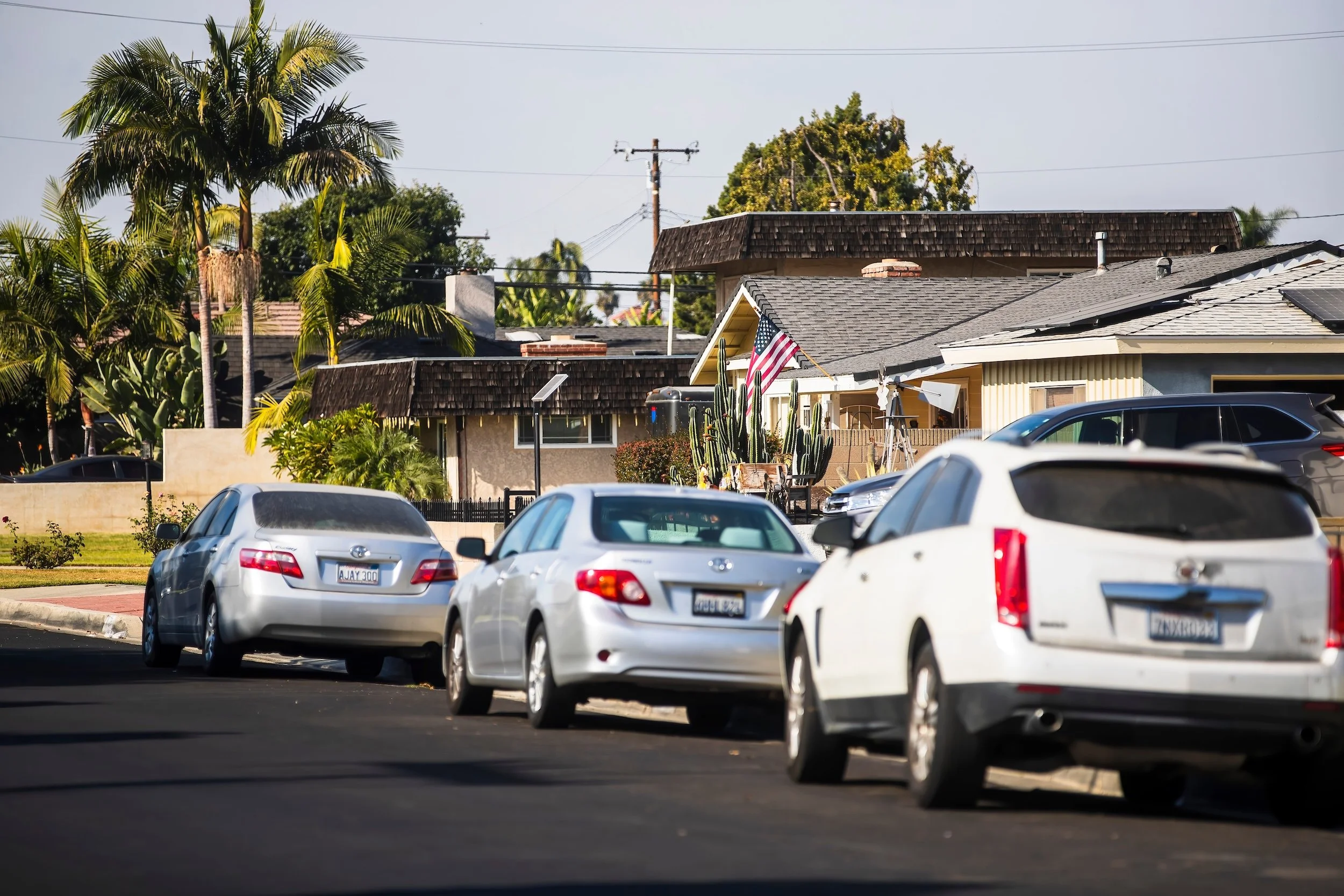
Photo: Shutterstock
4. Leaving Valuables Inside the Vehicle
Laptops, chargers, surf gear, and other belongings are often forgotten inside parked vehicles during hectic move-out periods. Unfortunately, visible valuables increase the risk of break-ins—especially if the car appears unattended for a long period of time.
Before leaving for summer, it’s always best to completely clear out the vehicle.
5. Assuming a Friend Will “Keep an Eye on It”
It’s common for students to leave a spare key with a roommate or friend and assume someone will occasionally check on the vehicle.
In reality, schedules change, people move, and good intentions often fall through. By mid-summer, the vehicle may have gone untouched for weeks.
6. Paying to Drive the Car Home When Storage Makes More Sense
For out-of-state students, driving a vehicle home for summer break can involve:
Long-distance fuel costs
Hotels and food
Wear and tear
Time spent on the road
For many students, storing the vehicle in San Diego for the summer is simply easier and more cost-effective.

Photo: Shutterstock
7. Waiting Until the Last Minute
End-of-semester move-out season gets busy quickly. Storage facilities, moving companies, and parking solutions all become harder to secure as summer approaches.
Students who plan ahead generally have better options, smoother move-outs, and less stress.
8. Not Preparing the Car for Long-Term Storage
Even short-term summer storage benefits from basic vehicle preparation.
Before leaving town, students should consider:
Checking tire pressure
Topping off fluids
Removing trash and food
Washing the vehicle
Disconnecting the battery if storing longer-term
A little preparation helps ensure the vehicle is ready to go when fall semester starts.
9. Leaving the Vehicle Uninsured
Some students mistakenly reduce or cancel insurance coverage while away, assuming the car won’t be driven. However, parked vehicles can still be damaged, stolen, or affected by weather and environmental conditions. It’s always important to confirm insurance coverage before storing any vehicle long-term.
10. Choosing Convenience Over Security
The easiest parking option isn’t always the safest one.
Leaving a car sitting in an apartment lot, side street, or driveway for months can create unnecessary risk and stress—especially when you’re hundreds or thousands of miles away. Professional vehicle storage provides peace of mind knowing your car is stored in a secure, monitored facility designed for long-term parking.
Student Car Storage in San Diego
At AAAA Auto Storage, we provide secure, month-to-month vehicle storage for college students leaving San Diego during summer break, study abroad programs, internships, or extended travel.
We offer:
Secure, gated storage
24/7 surveillance
Month-to-month terms with a one-month minimum
Convenient long-term vehicle storage in San Diego
A student discount for qualifying students
Whether you’re heading home for the summer or studying abroad next semester, we’re here to help keep your vehicle safe until you return. Contact us today to learn more about student vehicle storage availability and discounts.